Frustrated?
After hours of writing, publishing, and promoting…
…there’s nothing. No traffic. No users. No profit.
But not to fear:
You can reverse the pattern. You can get visitors who subscribe, convert, and buy.
All you need is to understand a few best practices. Today, I’ll cut through the myths and misinformation to make your content succeed.
Let’s start by busting one of the oldest myths in the book…
1. Ignore keywords and watch your SEO improve
Back in 2003, you could slap together a website and jam it full of keywords.
You ended up with articles like this:

That worked for a few years. But even today, most “experts” obsess over SEO keywords.
Back in 2016, Ahrefs did over 2 million searches. They found only one in four first-page search results mentions the keyword.
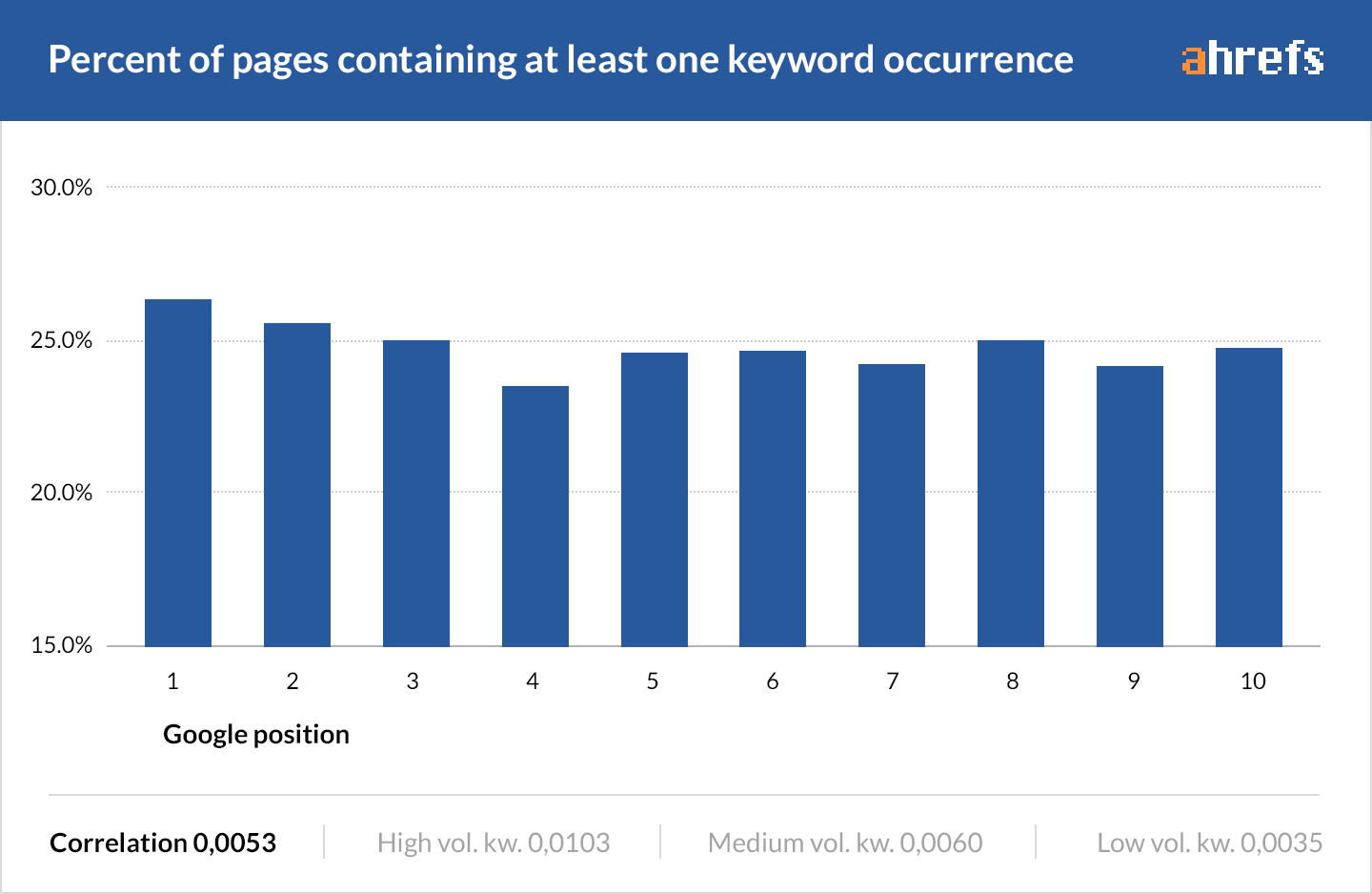
That means 75% of top 10 articles say what they want on the topic—without using a specific phrase.
Search for “how to journal more” to see what I mean. Not a single result uses that phrase:

Now, I’ll be honest:
Don’t ignore keyword research completely. Understand how people search for the topic, and ensure there’s enough traffic.
But in general, keyword optimization is dying out…
…and helpful content is replacing it.
Here’s why:
Behind-the-scenes technical SEO—like keywords, meta tags, or image file names—are outdated indicators. They’re losing ground fast to machine learning and AI.
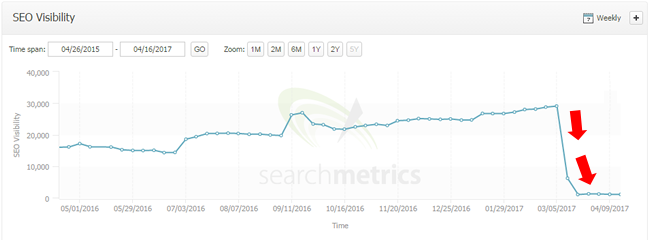
And when you over-optimize for computer-speak, your rankings plummet with every Google update:
Instead, build and promote incredible content.
Here’s an example:
Chuffed.org is a growing crowdfunding platform. It helps people raise money for causes.
(Like Kickstarter, but for helping refugees or building schools.)
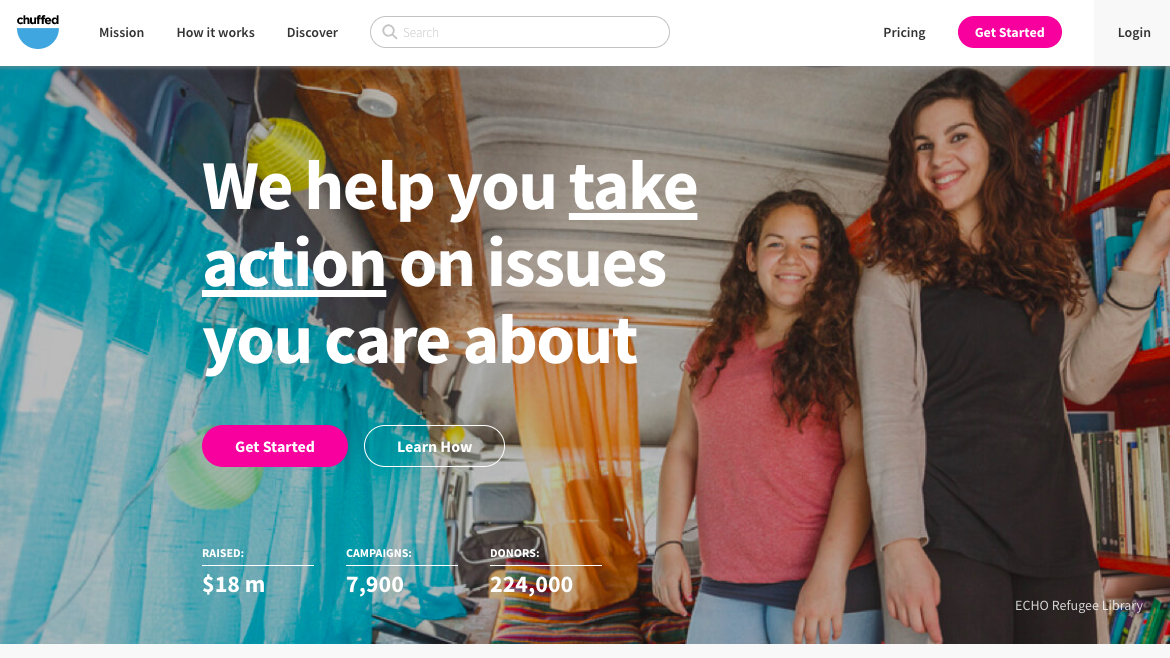
When I worked with their content team, I loved their philosophy: help people fund their causes.
They didn’t obsess over keyword stuffing, meta tags, or any other nonsense. They just wanted to write insanely helpful articles.
I helped them write a case study on how to crowdfund a community event.
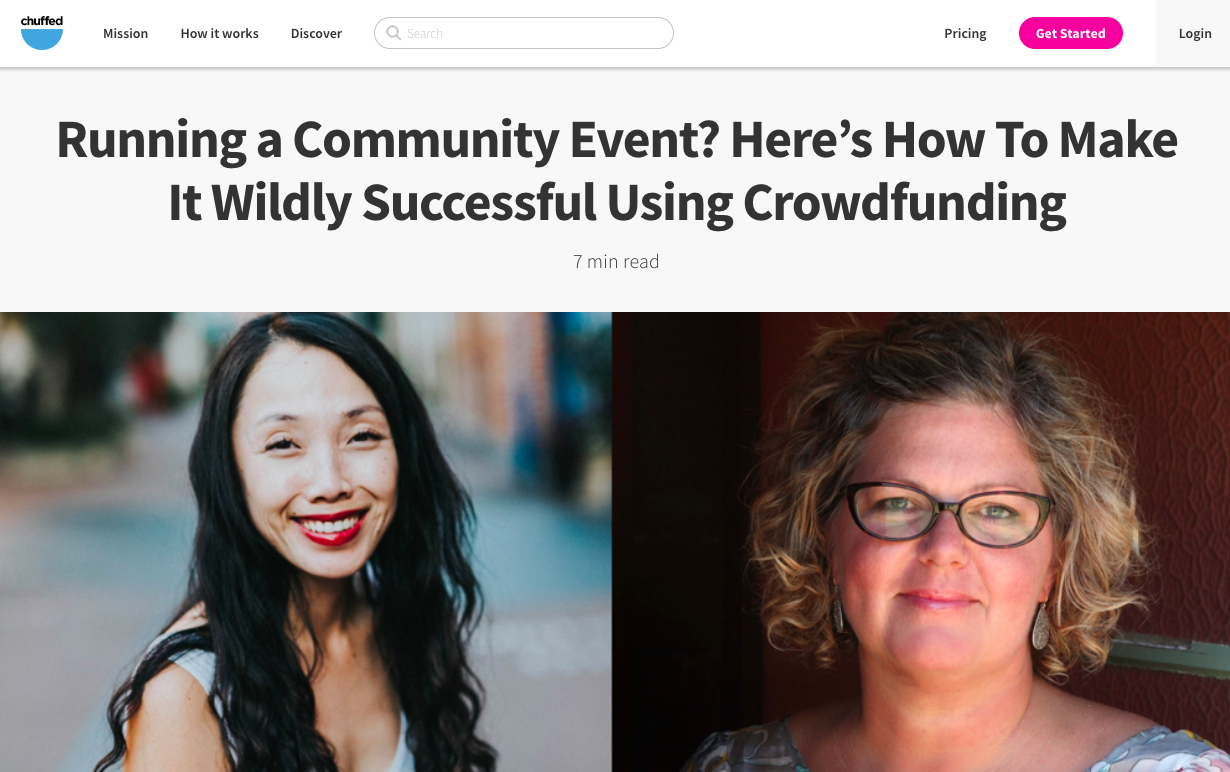
We broke down the campaign behind a successful event.
The piece defined helpful content. The Chuffed.org team and I worked to include step-by-step instructions:
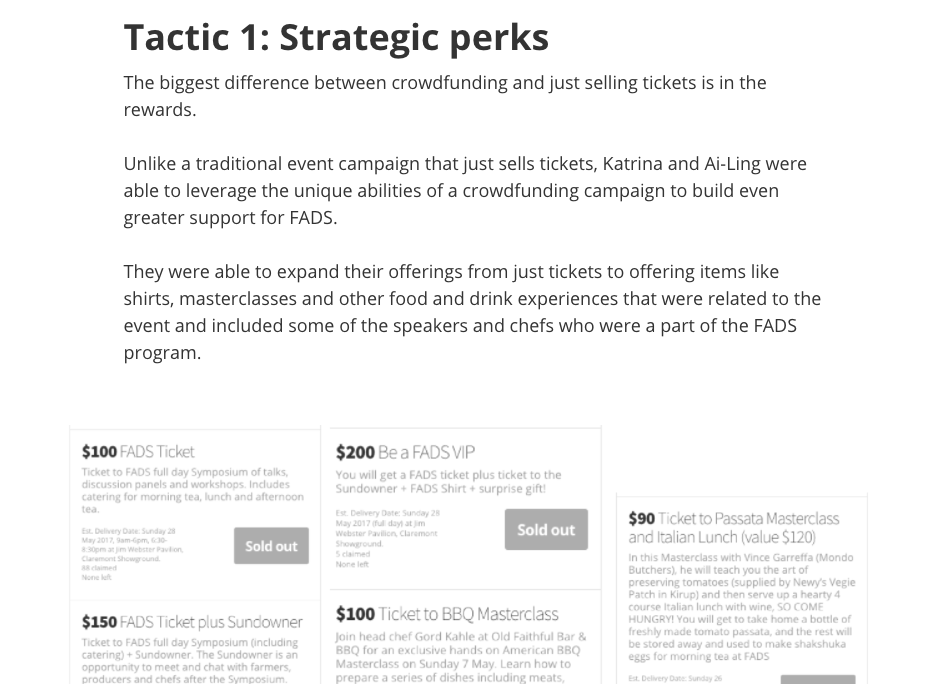
And honest explanations of mistakes and lessons:

Today, that article owns spot #1 for “community event crowdfunding”—outranking massive sites like Eventbrite and Indiegogo.

But I never used the phrase “community event crowdfunding.”
It ranks because it’s helpful content—regardless of whether we used the “right” keywords.
So, how do you write helpful content? The answer is the next strategy…
2. Stop researching before you write
Look, I get it:
In school, teachers said to research, then write. But this is backwards.
Researching before writing doesn’t produce original content…
…it kills it. You need to draft original ideas before seeing what others have to say.
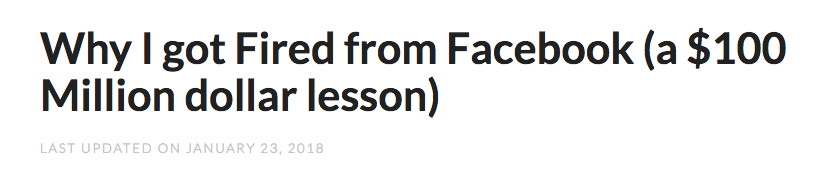
Think of the most memorable content you’ve read. Here are some of my favorites from the last 10 years:




Why do I remember these articles, when I can’t even remember my mom’s phone number?
Simple: they were original—new ideas that changed my world. This is the secret to amazing content.
Nobody bats an eye when you rehash existing ideas.
(With one exception I’ll discuss in a minute.)
Great content is original.
Use one of six types: opinions, stories, case studies, research, techniques, and resources.
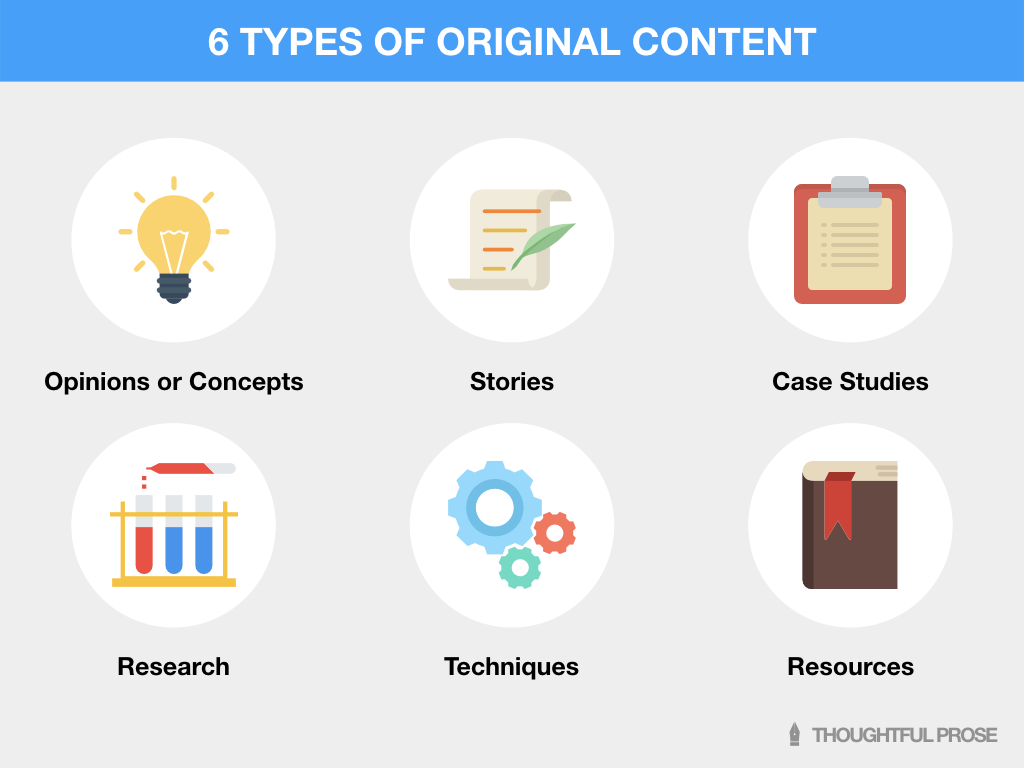
Here’s what each one looks like.
a. New opinions or concepts
Kevin Kelly’s 2008 piece “1,000 True Fans” changed how people sell content online.
He argued that content creators only need 1,000 true fans to support themselves. If each fan spends $100 on your work, you’ve made a living.
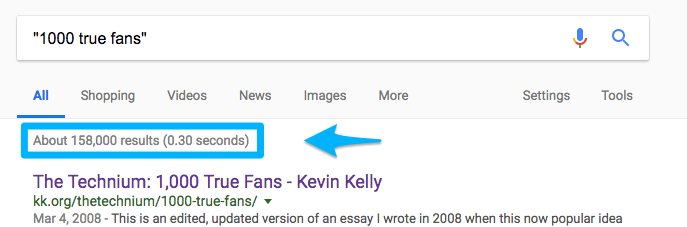
Searching for the title brings up 150,000+ results. Can you say the same for your latest blog post?
If you’ve been in your industry for a while, you have great ideas and strong opinions.
Share them!
b. New stories
Humans crave great stories with drama, prestige, suspense, and money.
Getting fired from Facebook hits every one of those. Plus, Noah Kagan provided helpful takeaways for entrepreneurs.
If you can make a point with a unique story, tell it.
c. New case studies
Ever wondered if your appearance affects your career?
Neil Patel spent six figures to find out:
He found more success landing clients after spending a small fortune on clothes. His friend Mike Kamo got similar results:

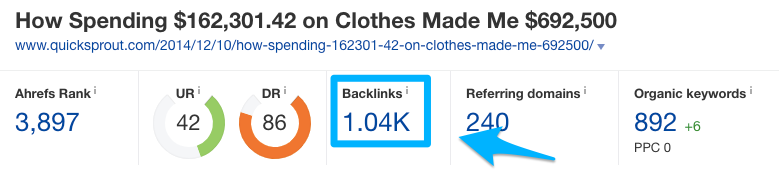
The post went viral, established Neil as an authority, and generated him over 1,000 backlinks:
If you’re confused about the difference between a case study and a story, it’s simple:
A case study tells how actions lead to results. A story tells how conflicts lead to resolution.
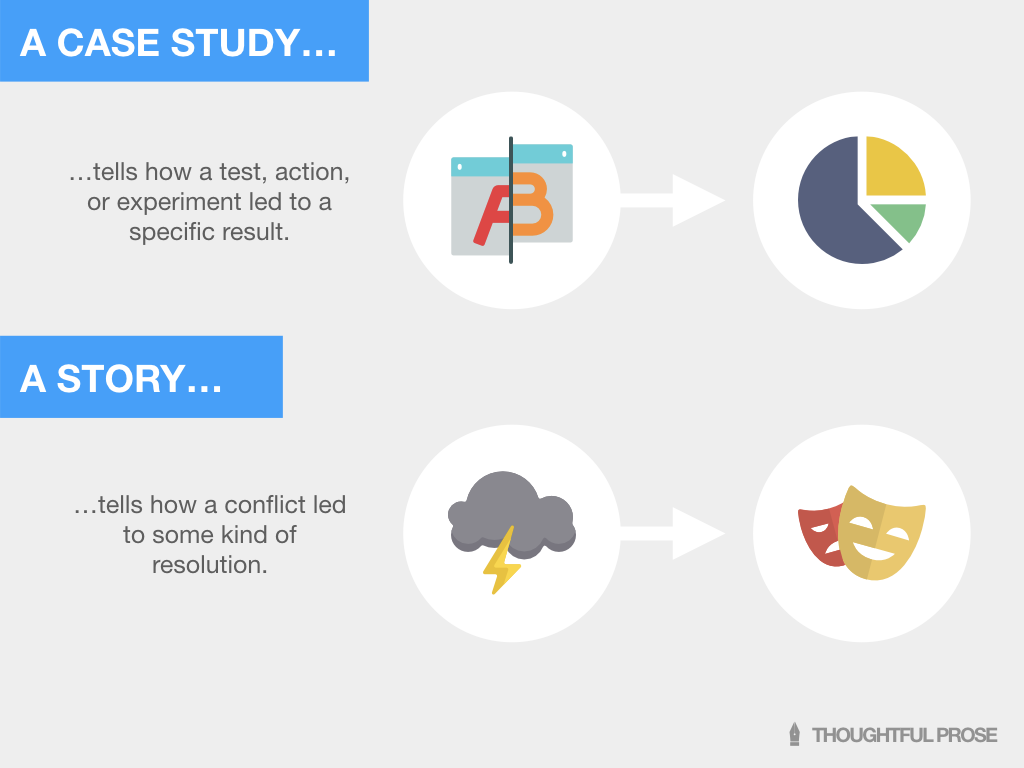
Stories are intriguing. Case studies are actionable.
d. New research
This one takes the most work, but it pays off.
BuzzSumo answered every content marketer’s question—what headlines work best?
BuzzSumo packed the piece with interesting, actionable data.
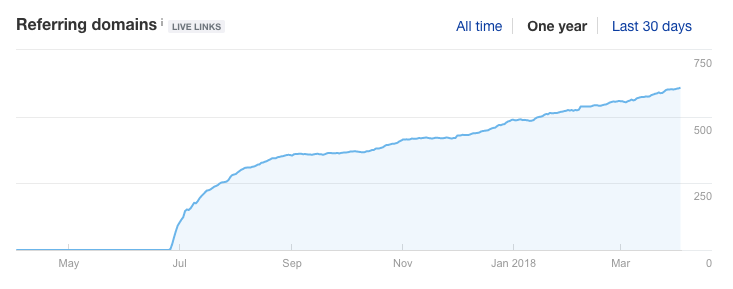
Hundreds of sites linked to it after it published, and it’s been growing ever since:
This is a rare technique. If you do original research, say “new research” or “new data” in the headline.
e. New techniques
If you have a unique method, give it a name!
Brian Dean at Backlinko is the master of this. He came up with The Skyscraper Technique for content types:
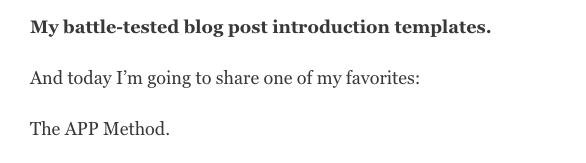
And the APP Method for intros:
I’ve worked behind the scenes with a lot of content teams. And while reading the guideline documents, I come across these two techniques…
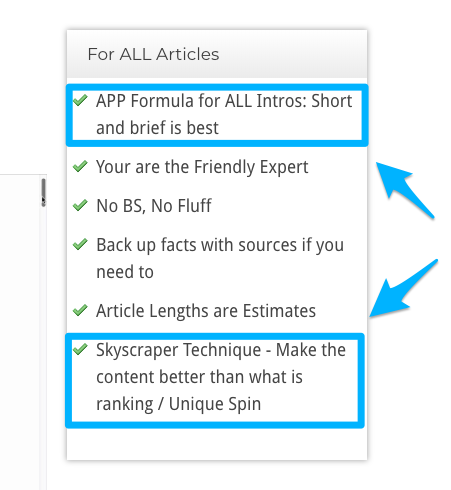
…all the time…
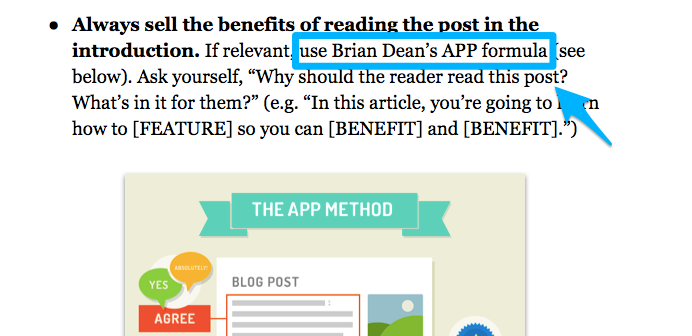
…even on my own guidelines:
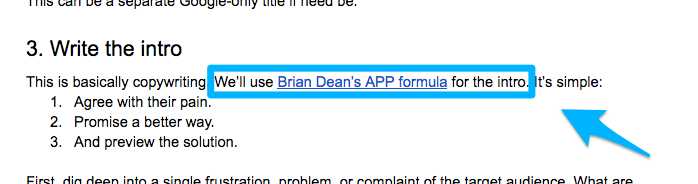
Want to build credibility fast? Brand a unique strategy.
(Want to see it in action? Stay tuned for best practice #4.)
f. New resources
Can’t come up with anything new? Here’s the one exception I mentioned earlier.
Resources have no new ideas but include so much research—they’re new content by themselves.
Pat Flynn’s resource page on blog photos doesn’t reveal anything groundbreaking.
But he explains every detail of copyright law, licenses, and credit—confusing topics for most blog owners.
Then he lists dozens of free photo websites, organized by category:
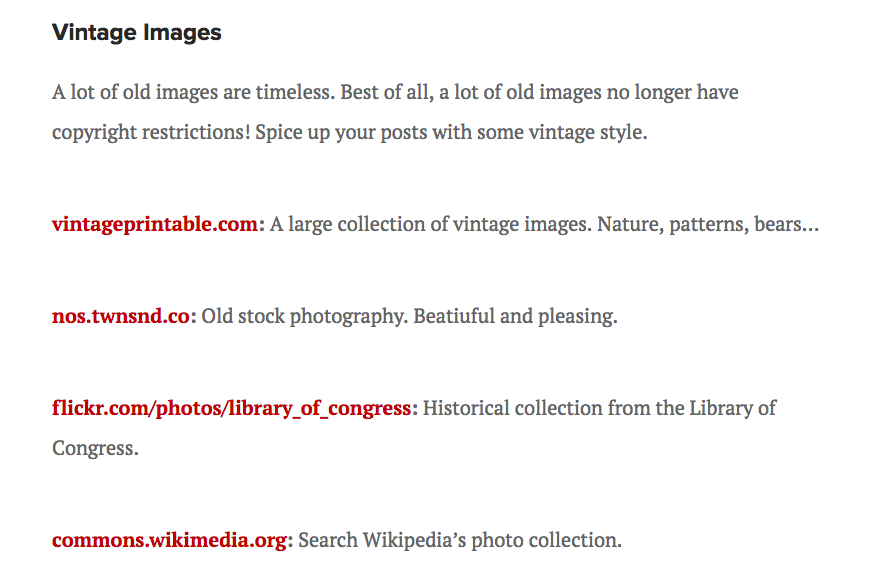
Combining so much in one article makes it fresh, even without original ideas.
To get attention, be original. But how you say it matters, too…
3. Become a great writer—or hire one
Remember this:
Great writing engages and sells. Poor writing falls flat and can destroy the brand you’ve built.
You can do it yourself—but becoming a better writer takes years.
For example:
I wrote a novelette when I was 13 and created an e-magazine at 14. Here’s my first set of writer’s guidelines:
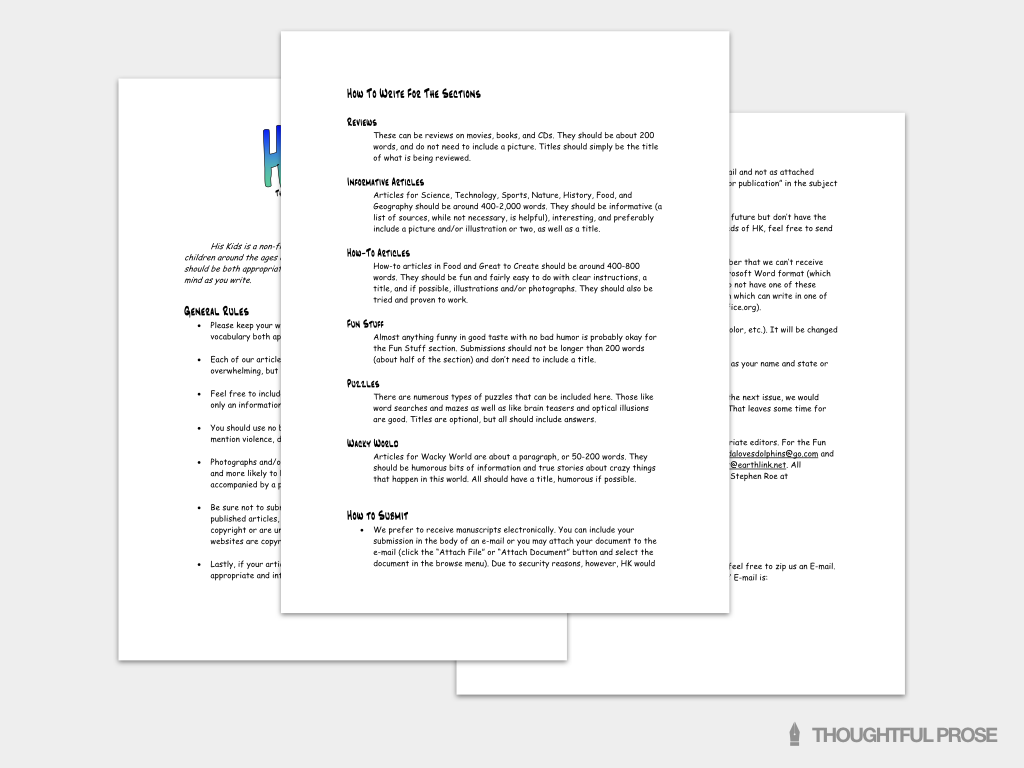
In high school, I compiled 500-1,000 pages of debate briefs each year. I wrote short stories for fun in college and graduated with a degree in communications.
In other words, I’ve been writing my whole life. And most professional writers I know have similar stories.
It’s a wonderful journey, because writing is my passion and my job.
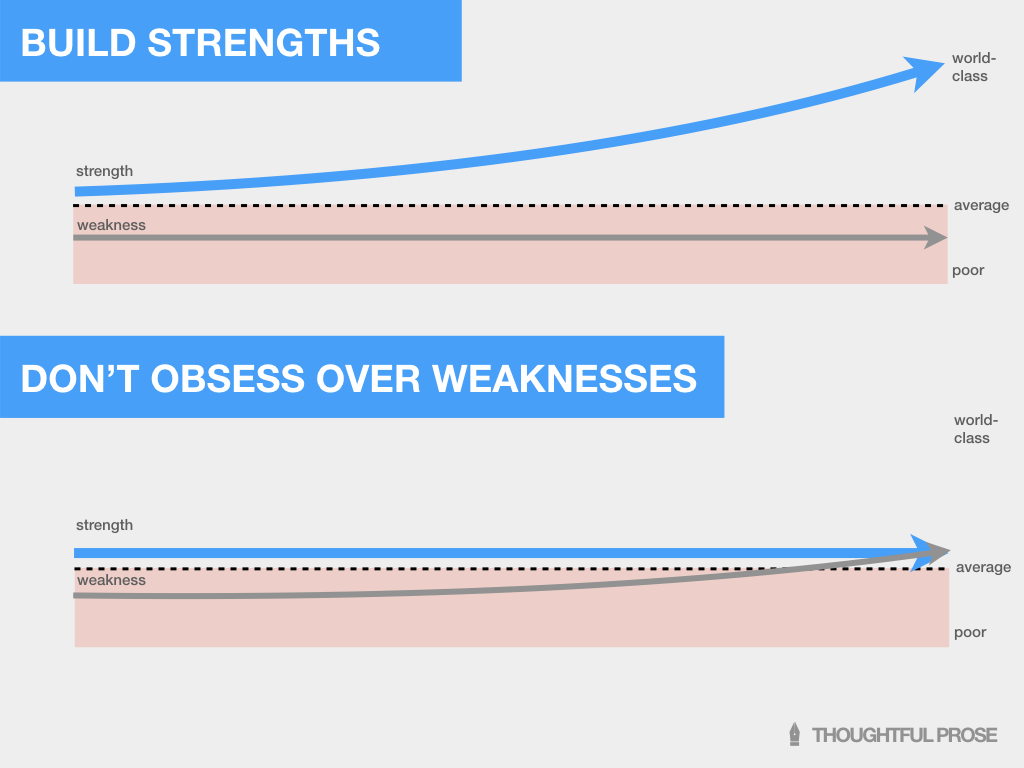
But for everyone else, that time is better spent building your strengths.
A great CEO who’s a poor writer should spend her next three years becoming an amazing CEO—not an average writer.
But top executives contribute to Forbes, Entrepreneur, and Inc. all the time. How?
Simple: they hire ghostwriters.
I know, because I used to be one. Top-performing managers spend their time managing—not writing blog posts.
So you’re left with four options for producing content.
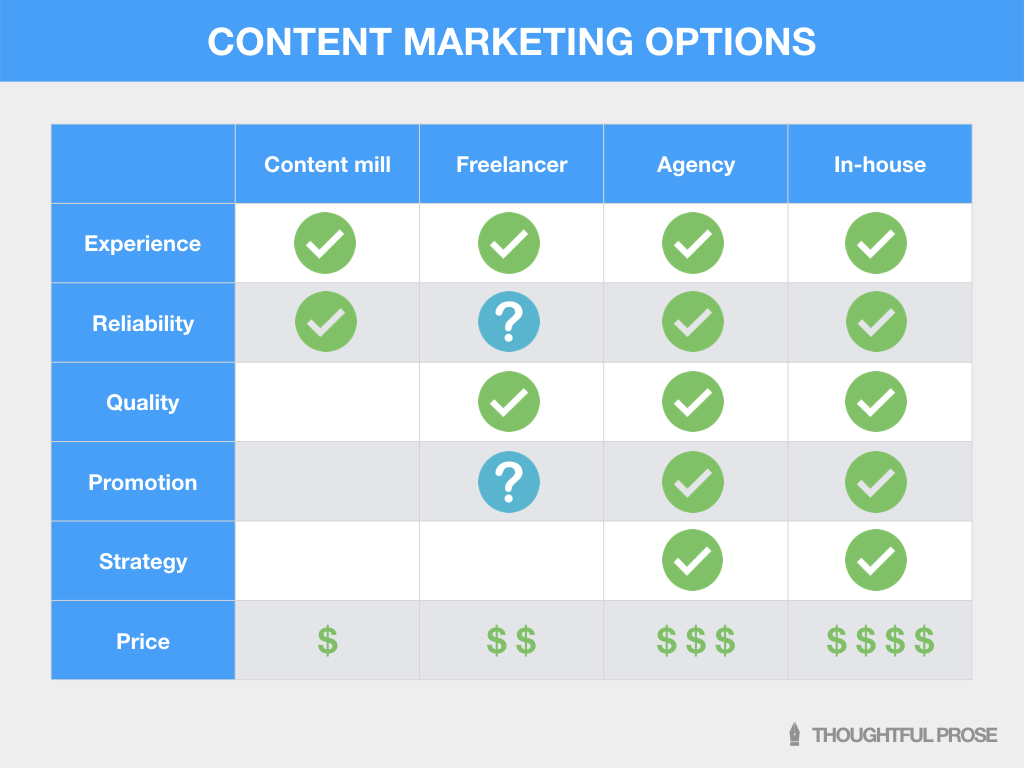
Your first option is to hire a content mill—the sweatshops of the industry. You’ll get uninspired content produced by underpaid writers—but it’s cheap.
Content mills are easy to spot from the signature per-article website order form:

Second, hire a freelancer. Look for three skills: writing, deadlines, and communication.
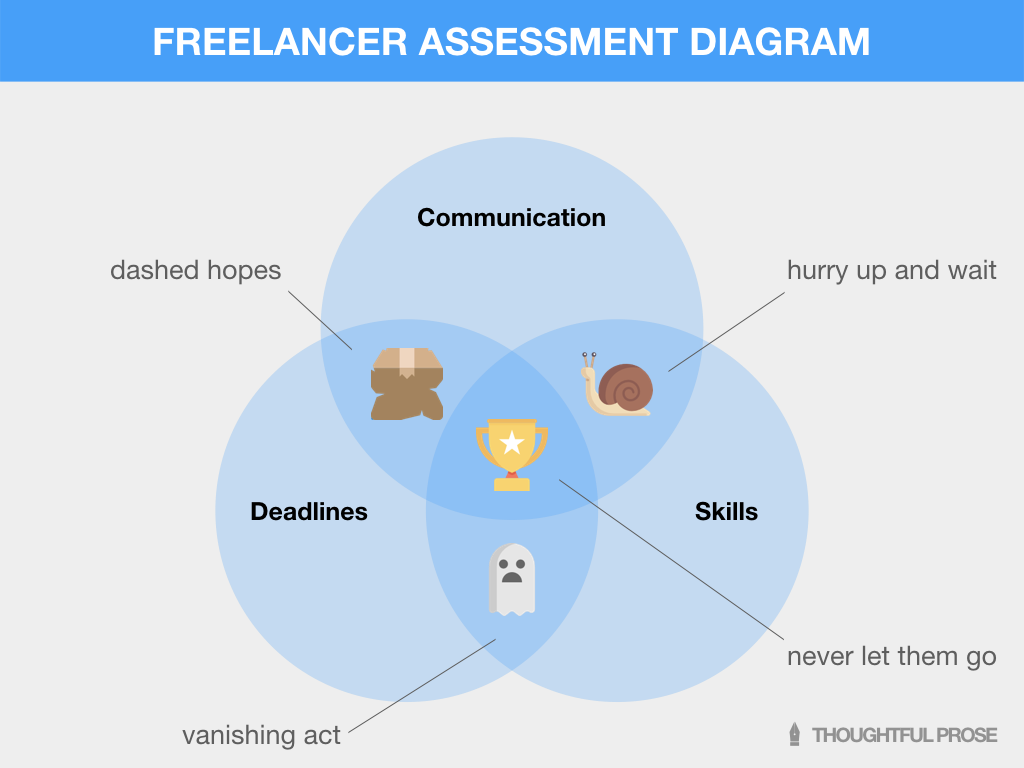
Lots of people avoid this because they’ve gotten burned—or heard horror stories.
I have a few of my own.
Once I hired eight writers on Upwork to help with some projects. Every single one sent me unusable writing like this:
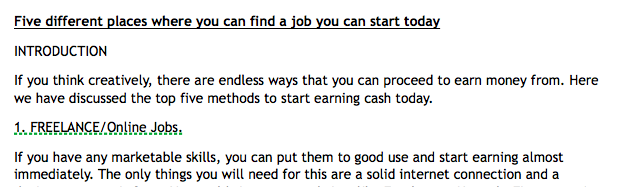
(If it doesn’t sound too bad, read it aloud.)
The reality is that anyone can market themselves as a “writer”—even if they can’t string together a cohesive shopping list.
It’s up to you to judge their skills.
Which creates a paradox: to find a great freelancer, you need to be a good writer yourself.
Pop quiz: should you hire this writer? He looks skilled…
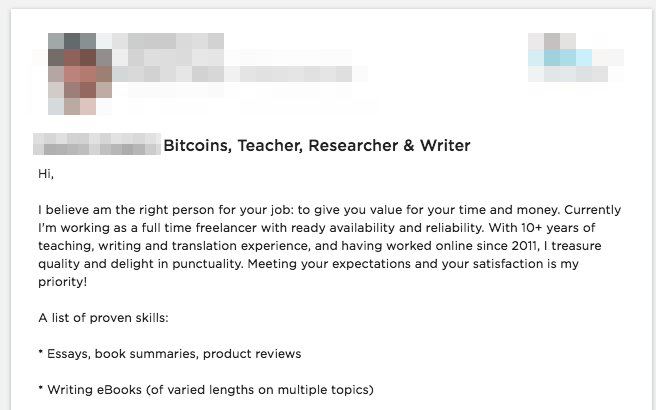
…but he wrote the piece I showed earlier. So don’t.
The other disadvantage is that freelancers flake. They’ll get sick, find a better client, or disappear for no reason whatsoever.
You can solve this with option #3—hiring an agency.
Agencies learn from all the campaigns they manage. They only hire great writers.
And (good ones) keep their writers updated with what works and what doesn’t—plus resources to help.
For example…
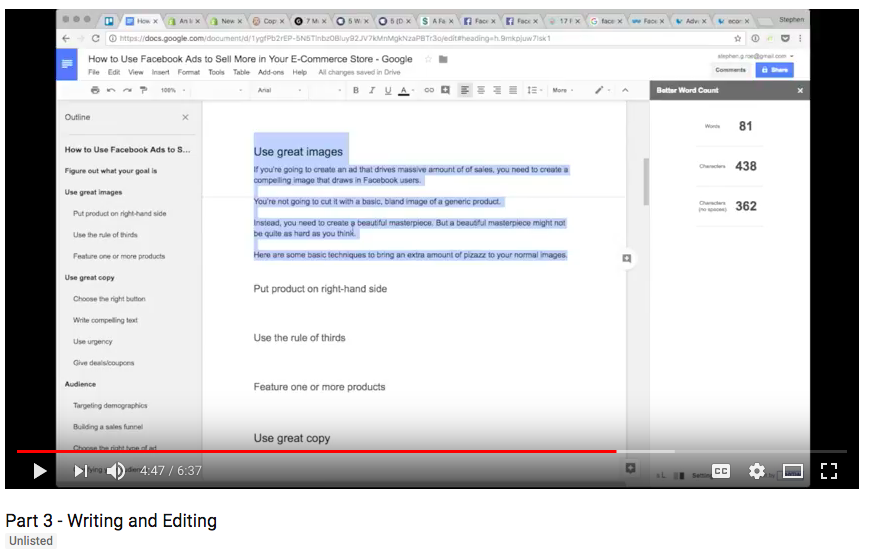
Our writers have access to extensive guidelines, templates, and videos with everything we’ve learned from tons of clients:
And I’m wrapping up a proofreading app for my writing team. It checks for 2,300+ errors spellcheck and Grammarly can’t find:
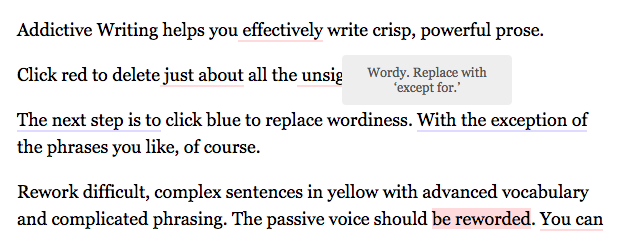
Freelancers just don’t have access to these tools.
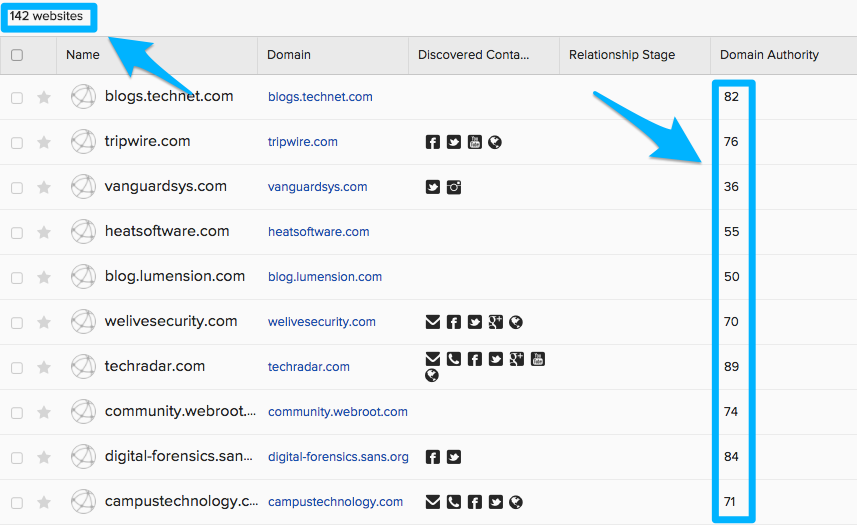
Agencies also handle strategy, which freelancers don’t do, and promotion, which few freelancers do.
Here’s a behind-the-scenes peek at promotion we’re doing for a single article:
Finally, you can build an in-house team.
Since 44% of B2B content marketers don’t outsource anything, this is the most common.

It’s not a terrible method…
…but companies like Coke and Apple hire marketing agencies for good reason.
Fortune 500 companies focus on what they do best—product creation, not marketing.
Plus, they want results. An in-house team wonders what the boss will say. An agency wonders what will sell best.
Here’s a simple breakdown:
But no matter who writes your content, you need to have a plan…
4. Build a clear marketing message with the MOB formula
Here’s the deal:
Without strategy, content marketing is all over the place.
You’ll publish articles that confuse customers—and interest random sub-niches that will never buy from you.
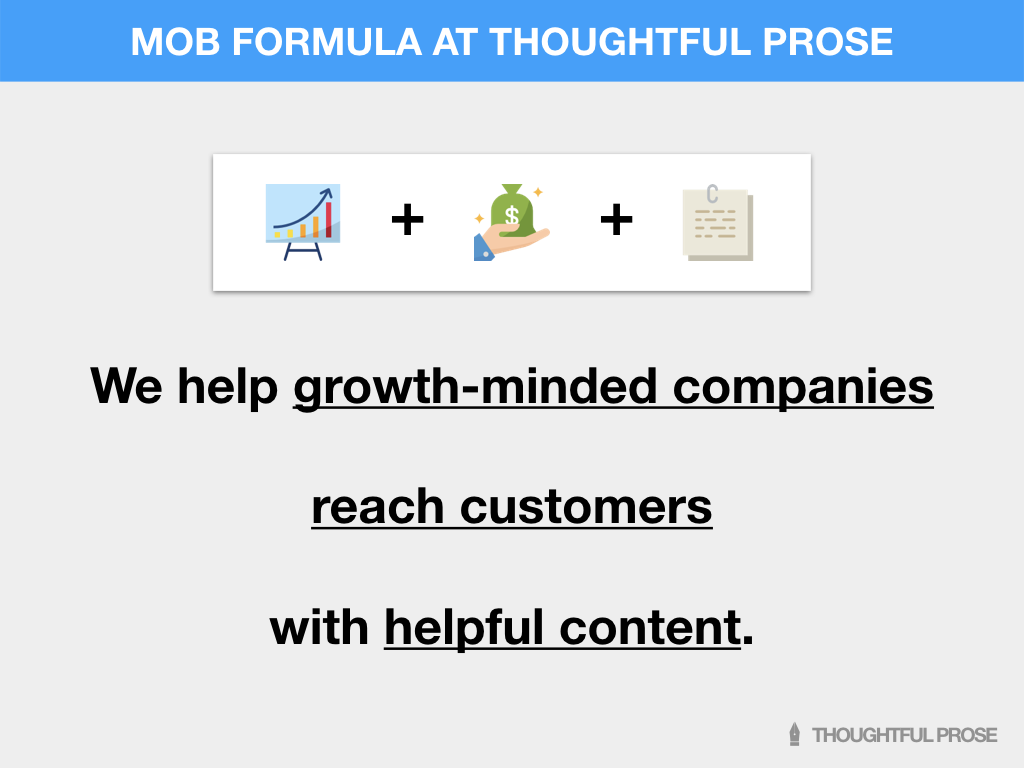
Instead, make every piece a winner with the MOB formula. It stands for a sentence:
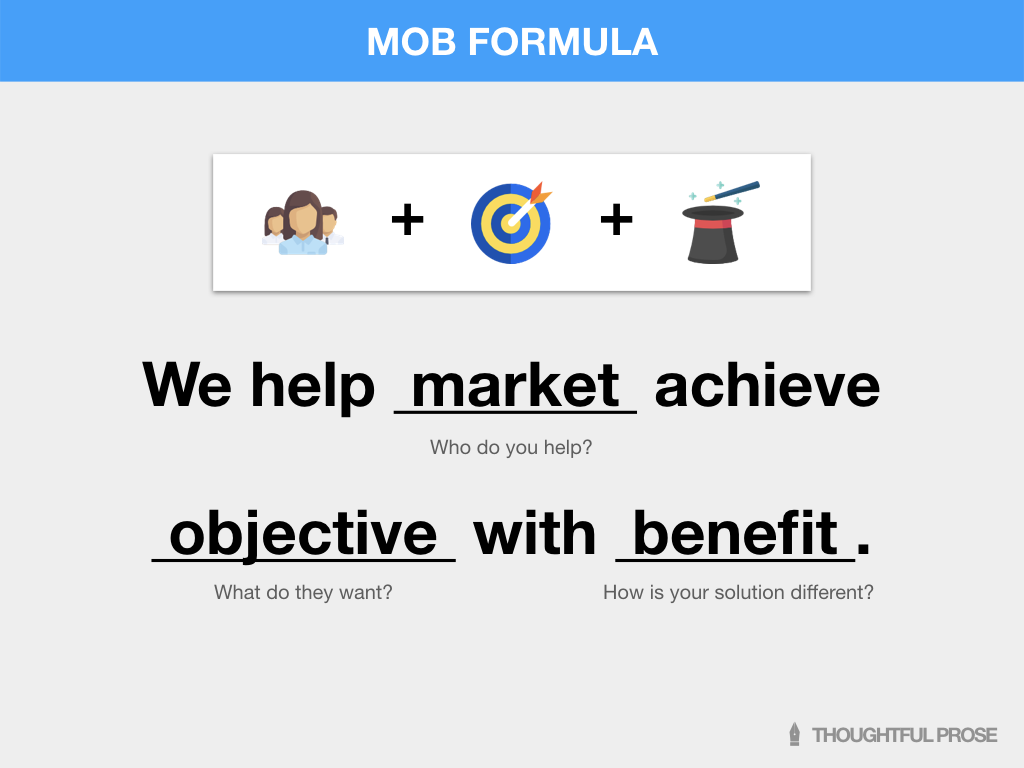
First, define your market. Choose a phrase that describes your audience perfectly.
Use their aspirations, not job descriptions.
For example, ConvertKit used to market to “professional bloggers.”
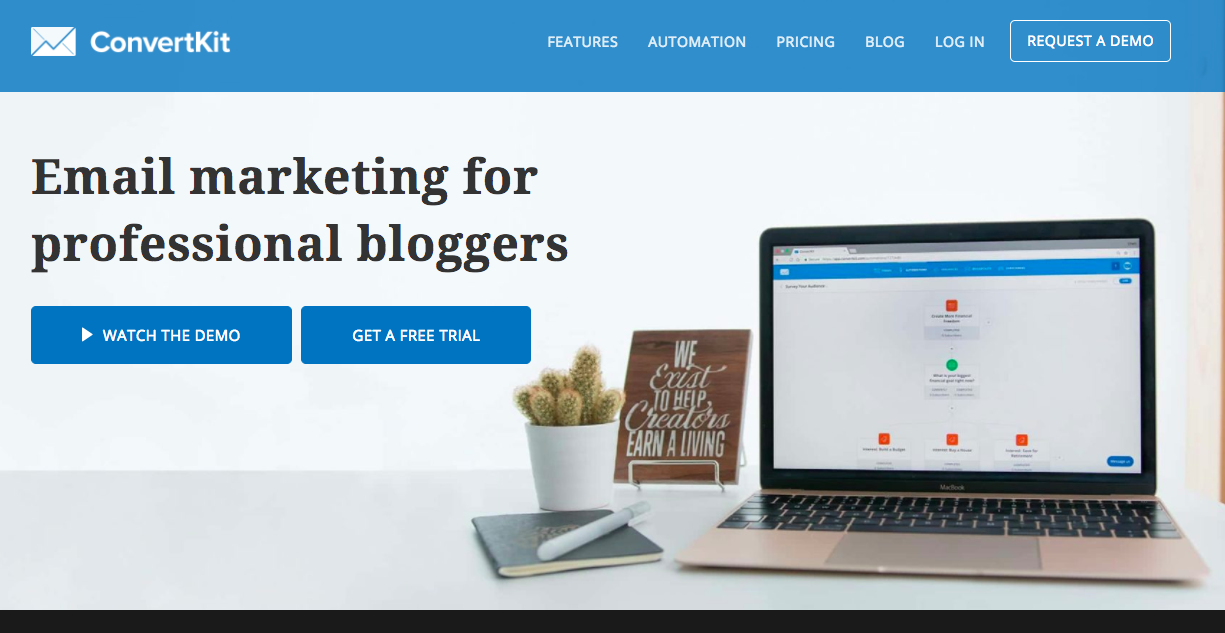
But their market wasn’t only bloggers. Podcasters, YouTubers, and artists also loved the platform.
The solution? Today, they target “creators.”
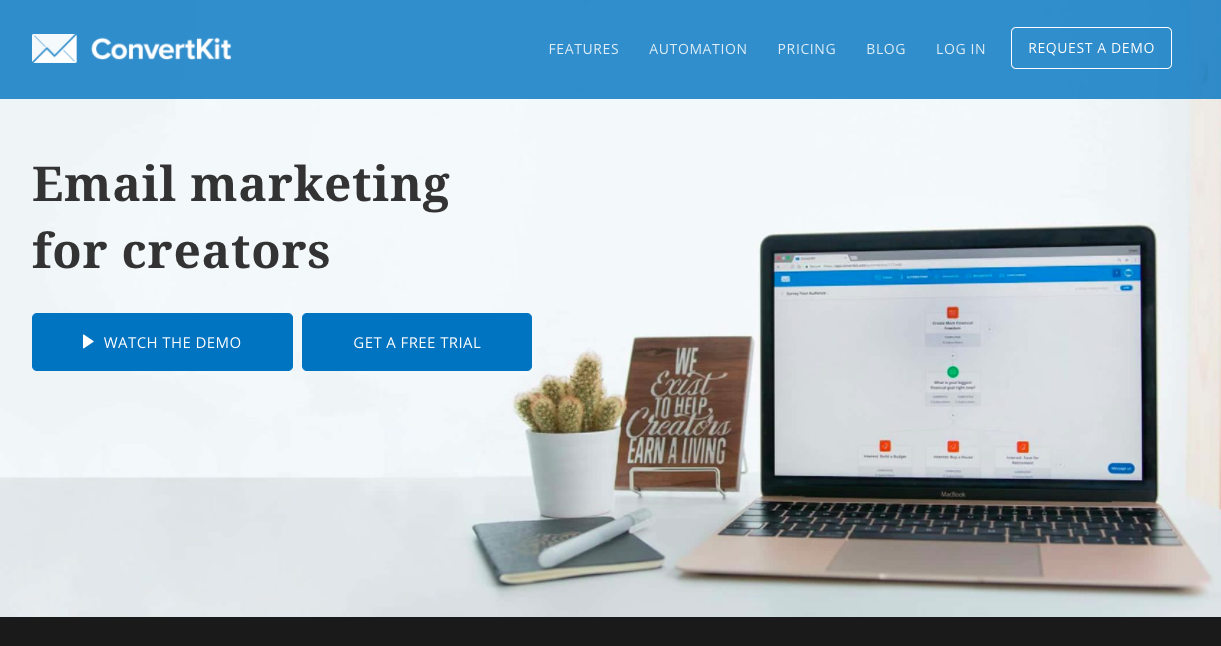
Not every ConvertKit user has a blog. But they all create.
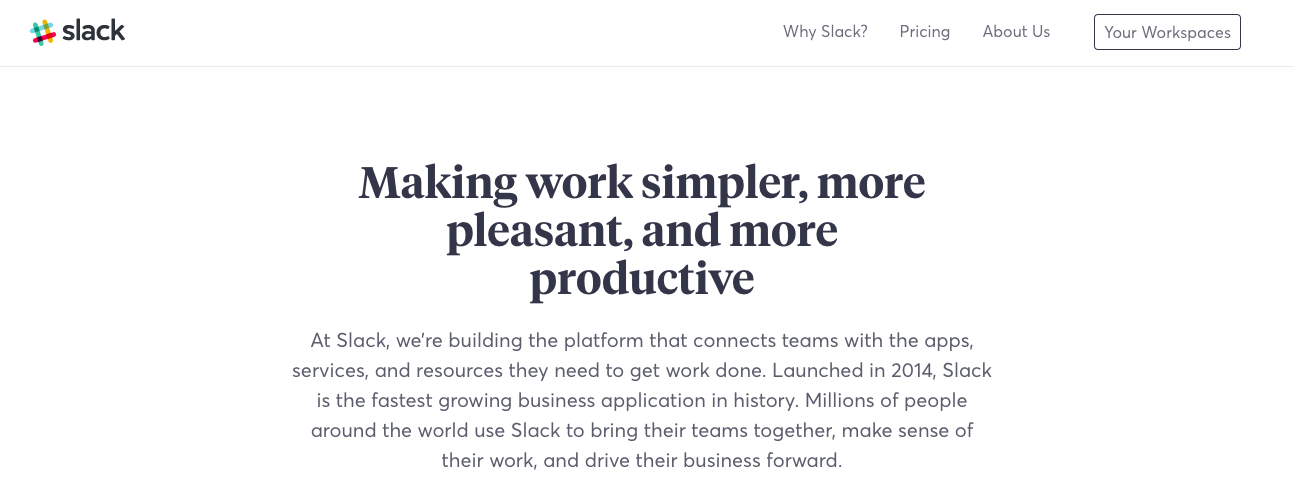
Second, what’s the objective of your target market?
Slack helps their audience work better:
Talkable boosts eCommerce sales:

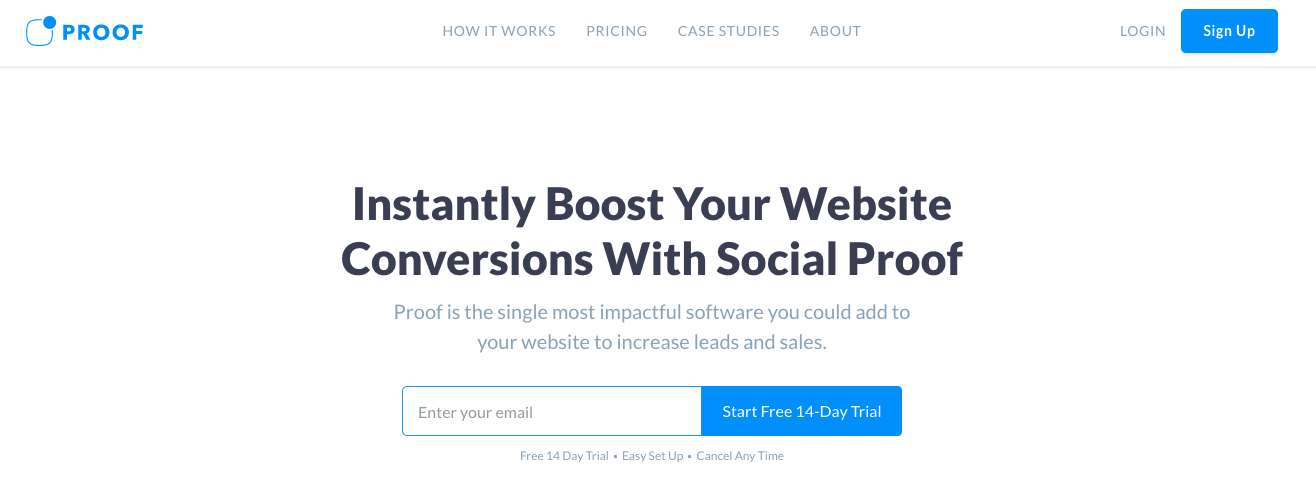
Proof improves website conversions:
Your market doesn’t have to succeed at this goal (yet). But they must want it.
Finally, find your benefit.
Does your product remove a frustration? Make life easier? Use a unique method?
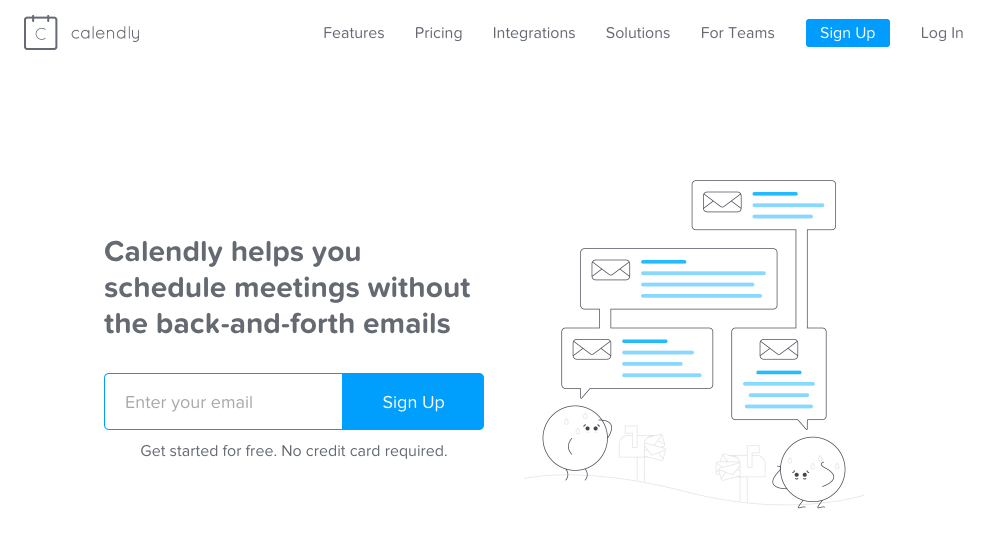
Calendly is a scheduling tool. But their benefit is eliminating back-and-forth emails:
Expensify has a unique method—automating the expense reporting process:

Now, put your market, objective, and benefit together in one sentence.
Here’s ours at Thoughtful Prose:
You might think this narrow statement restricts your opportunities.
But it’s actually the opposite:
Each category opens infinite opportunities.

Over time, you can become the go-to expert in any or all those areas.
Let’s wrap up with one of the biggest content marketing mistakes…
5. Stop focusing on traffic, clicks, social shares, and subscribers
Here’s the cold, hard truth:
You must focus on profit metrics, or fail.
This isn’t excusing away lots of traffic because it’s hard to get. The opposite, in fact—I’ve played that game and learned my lessons.
I hit the front page of reddit:

Wrote a guest post that went viral on Pocket:
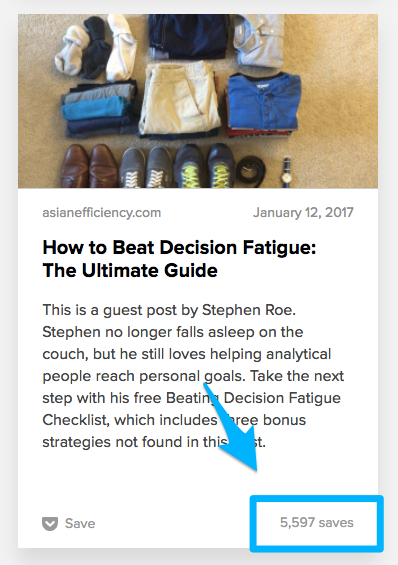
And wrote articles that got lots of shares:
None of that was accidental. I tested strategies until I found what that worked.
But turning on the virality tap can be a waste of time.
Here’s an example:
I have a side project blog on productivity. It’s the one with the social shares and popular guest post.
The list has around 5,000 people with average open and click rates:

But I’ve launched a few products. And they’ve all failed miserably. Here’s the amount I made from a $19 eBook a while back:

Why doesn’t my list buy? It’s made of international readers without extra money.
I started with traffic—not sales—and the list is failing.
But with Thoughtful Prose, I’m doing the reverse. First, we found profitable clients. Then we built a successful sales process.
Now—and only now—we’re increasing traffic. Because we know the numbers make sense.

Don’t bet on traffic unless your funnel converts.
If the model makes sense, we can make content go viral. That’s the easy part. The hard part is ensuring there’s revenue later on.
Every metric has its place—but only with a deliberate focus on profit.
Now it’s your turn (plus two bonus strategies)
Congrats!
You’ve learned the five content marketing best practices. Now, act.
Comment and tell me which you’ll try…
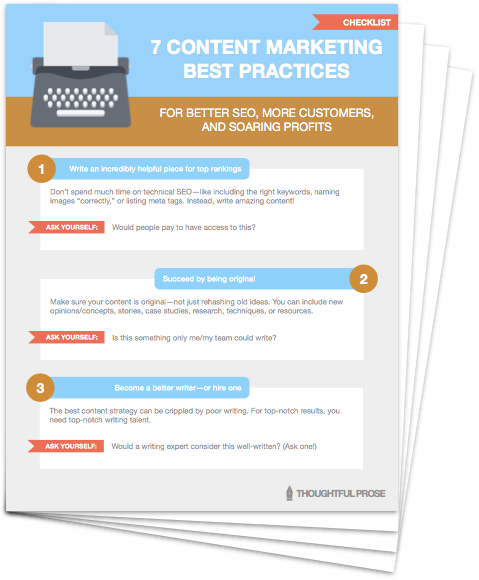
…but first, grab the PDF checklist below. It’s a quick diagnostic tool to use for your content marketing.
Plus, it has two bonus strategies I didn’t include in this post.